

After disappointing sales, repeated recalls, and years of controversy, Tesla plans to wind down Cybertruck production in 2027, redirecting its Texas manufacturing operations toward the company’s autonomous Cybercab.
AUSTIN, Texas – Tesla is preparing to wind down production of its controversial Cybertruck, marking a significant change in direction for one of the electric vehicle industry’s most recognizable and heavily promoted vehicles. CEO Elon Musk announced Friday, November 6, that the company intends to phase out Cybertruck manufacturing at its Gigafactory Texas facility around the middle of 2027, making room for expanded production of Tesla’s Cybercab autonomous vehicle.
The announcement comes after years of disappointing sales, manufacturing challenges, safety recalls, and public criticism surrounding the stainless-steel electric pickup. Once positioned as a revolutionary alternative to conventional trucks, the Cybertruck has struggled to meet Tesla’s ambitious expectations, raising questions about whether its unconventional appearance and premium pricing ultimately limited its appeal to mainstream consumers.
The production decision, however, does not mean that Tesla has stopped building Cybertrucks immediately. On Saturday, November 7, Musk announced that the company would add another manufacturing shift to address outstanding orders before the production line is dismantled, a development that suggests the company still has customers awaiting delivery even as it prepares to move away from the model.
From Revolutionary Promise to Disappointing Sales
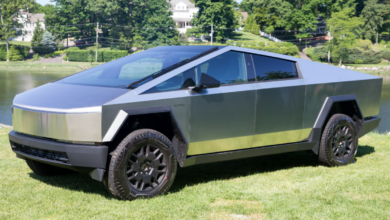
When Tesla unveiled the Cybertruck in November 2019, the company introduced a vehicle unlike anything else on American roads. Its sharply angled stainless-steel exterior, futuristic styling, and electric powertrain attracted worldwide attention, while Musk promoted the truck as a potential game changer in the highly competitive pickup market.
At its introduction, Tesla advertised a starting price of approximately $39,900 and suggested that higher-end versions could travel as far as 500 miles on a charge. Those expectations helped generate considerable excitement among prospective buyers, but production delays, engineering difficulties, and rising costs pushed the first customer deliveries into November 2023. By then, the truck’s advertised pricing and specifications were considerably different from Tesla’s original presentation.
Although the Cybertruck initially attracted significant public interest, its commercial performance fell far short of Musk’s expectations. According to Kelley Blue Book estimates reported by Reuters, Tesla sold approximately 38,965 Cybertrucks in the United States in 2024, followed by just 20,237 in 2025, representing a decline of roughly 48 percent. Those figures contrast sharply with Musk’s earlier projection that Tesla could eventually sell approximately 250,000 Cybertrucks annually.
The downward trend continued into 2026. Kelley Blue Book estimates indicate that U.S. Cybertruck sales declined another 28 percent during the first nine months of the year compared with the same period in 2025. While the electric pickup market has presented challenges for several automakers, the Cybertruck’s performance has raised particular concerns because of the enormous attention and expectations surrounding its introduction.
Rising Prices and Safety Concerns
Price increases have added another complication to the Cybertruck’s commercial prospects. On November 6, Tesla reportedly increased prices for several configurations while suspending new orders for its entry-level Dual Motor All-Wheel Drive version. The Premium AWD configuration rose from $84,990 to $92,490, while the high-performance Cyberbeast increased from $99,990 to $102,490, placing the remaining orderable models firmly within the luxury vehicle market.
These adjustments underscore the gap between the Cybertruck’s original promise of a relatively affordable electric pickup and the considerably more expensive vehicle ultimately offered to consumers. The higher prices also place Tesla in competition with established luxury trucks and premium electric pickups, where customers may place greater emphasis on traditional utility, reliability, towing capacity, and long-term ownership costs.
Beyond affordability, the Cybertruck has faced numerous safety and quality concerns since its introduction. Reported problems have included accelerator pedal assemblies that could become trapped, exterior trim panels that could detach, and other manufacturing and software-related issues. The vehicle has been subject to 11 recalls, according to Reuters, contributing to questions about quality control and the challenges associated with its unconventional engineering.
The vehicle’s electronically operated doors have also drawn scrutiny following serious crashes, including a fatal 2024 collision in Piedmont, California. Litigation involving that crash has raised allegations about occupants’ ability to escape after the vehicle caught fire. Those allegations remain subject to legal proceedings and should not be treated as established findings of product liability.
A Vehicle Caught in Political Controversy
The Cybertruck’s struggles have extended beyond manufacturing and sales. Musk’s increasingly prominent involvement in American politics, including his support for President Donald Trump and his role in the federal government’s Department of Government Efficiency initiative, turned Tesla into a subject of political debate and consumer backlash.
As Musk became more closely associated with controversial political positions, Tesla vehicles and facilities became targets of demonstrations and other protests. The Cybertruck’s distinctive appearance made it an especially visible representation of the company, creating an additional challenge for a vehicle already facing criticism over cost, design, and performance.
Although Musk’s political activity has been linked to negative perceptions of the Tesla brand, the extent to which those controversies directly affected Cybertruck sales remains difficult to establish. The vehicle was already confronting significant commercial obstacles, and the broader electric pickup segment has struggled to attract the level of consumer demand initially anticipated by automakers.
Tesla’s Next Gamble: The Cybercab
Tesla’s decision to reduce Cybertruck production reflects a broader transformation in the company’s business strategy. Musk has increasingly emphasized artificial intelligence, autonomous transportation, and robotics as central components of Tesla’s future, moving beyond its traditional identity as a manufacturer of electric passenger vehicles.
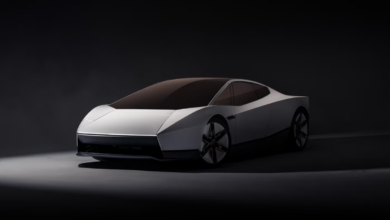
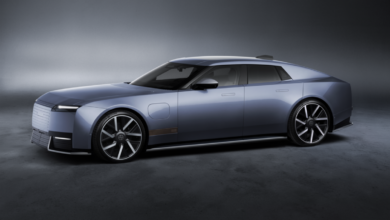
At the center of that strategy is the Cybercab, a two-passenger autonomous vehicle intended to operate without a conventional steering wheel or pedals. Tesla has begun limited robotaxi operations in Austin, Texas, although the technology continues to face regulatory scrutiny and questions about its ability to operate safely and profitably at a larger commercial scale.
According to Musk, winding down Cybertruck manufacturing will allow Tesla to expand Cybercab production at the Texas facility. The transition represents a significant gamble for the automaker, particularly because the autonomous transportation market remains competitive and Tesla has yet to demonstrate that its robotaxi business can generate sufficient revenue to replace established automotive sales.
Tesla Adds Production Shift Before Planned Shutdown
Despite the decision to move away from the Cybertruck, Musk indicated Saturday that Tesla still has an outstanding order backlog that exceeds what the company expects to manufacture before dismantling the production line around June or July 2027. He said an additional shift would be introduced in an effort to fulfill those orders before the facility transitions to expanded Cybercab manufacturing.
The announcement introduces an important distinction between the Cybertruck’s disappointing historical sales and its remaining customer demand. Tesla has not publicly established how many orders remain outstanding, and the backlog does not necessarily indicate that the vehicle has experienced a sustained revival in consumer popularity.
The company’s decision to accelerate manufacturing ahead of a planned shutdown also raises questions about production costs, component availability, future maintenance support, and the longer-term resale value of existing Cybertrucks. Tesla has not announced that it will discontinue service or replacement-parts support for current owners.
What Does the Cybertruck’s Future Look Like?
For existing Cybertruck owners, the upcoming manufacturing changes create uncertainty about the vehicle’s long-term market position. Although Musk has suggested that Cybertrucks will remain on the road for years, Tesla has not fully explained what its production transition will mean for future model availability or whether manufacturing could eventually resume at another facility.
The Cybertruck’s legacy is likely to remain complicated. Its unusual design challenged decades of conventional automotive styling and demonstrated Tesla’s willingness to pursue ambitious engineering concepts. At the same time, its troubled rollout illustrated the difficulties of translating public excitement, bold promises, and technological innovation into sustained commercial success.
For Tesla, the bigger question may no longer be whether the Cybertruck can compete with conventional pickups, but whether the company’s autonomous transportation ambitions can deliver the commercial success that the Cybertruck never achieved.
As Tesla prepares to make room for the Cybercab, the Cybertruck stands as both a symbol of the company’s willingness to challenge automotive traditions and a reminder that capturing the world’s attention does not necessarily translate into capturing the marketplace.